By the end of 2024, I was empty. Not tired. Empty. The kind of creative depletion where you stare at a blank document and feel absolutely nothing. No ideas. No spark. Just a blinking cursor and a deadline.
I run JAM Digital with my husband Mark. We're a creative agency focused on luxury brands. The work is beautiful, demanding, and requires showing up creatively every single day. And by December of 2024, I had nothing left to give.
How We Split the Work
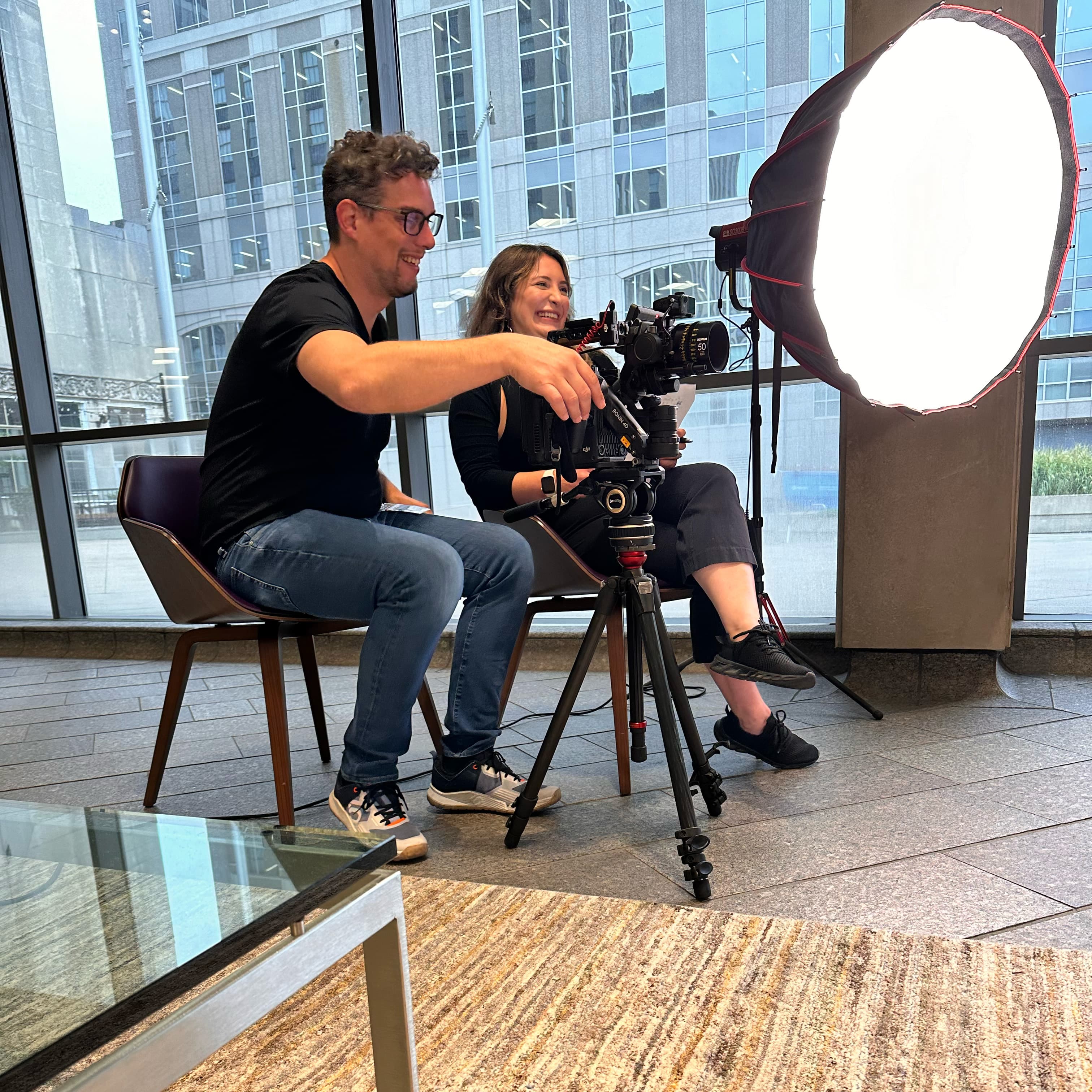
Mark handles all the creative execution. He's behind the camera, in the edit bay, directing shoots, and making the visual magic happen. His brain works in images and motion and light.
I handle strategy, client relationships, and creative direction. I'm the one building content calendars, developing campaign concepts, writing scripts, and translating client goals into creative briefs that Mark can bring to life. My job is to think, to conceptualize, to generate ideas that become the foundation of everything we produce.
The problem with idea work is that it doesn't look like work. There's no visible output when you're developing a content strategy. No one sees the hours spent thinking through brand voice or mapping out a social campaign. But it's draining in a way that's hard to explain until you've hit the wall.
What Burnout Actually Looked Like
I wasn't missing deadlines. I wasn't dropping balls. From the outside, everything looked fine. But inside, I was running on fumes. Every creative decision felt harder than it should. Every brief took twice as long. I started dreading the work I used to love.
The worst part was the guilt. We run our own business. I should be grateful. I should be energized. I should have endless ideas because this is what I chose. Instead, I felt like a fraud, showing up empty and hoping no one would notice.
Going Analog
Somewhere in the fog of late 2024, I started using a phrase that became my lifeline: "I'm going analog."
It meant stepping away from screens. Away from strategy documents and content calendars and the constant hum of digital output. It meant doing things with my hands that had nothing to do with work.
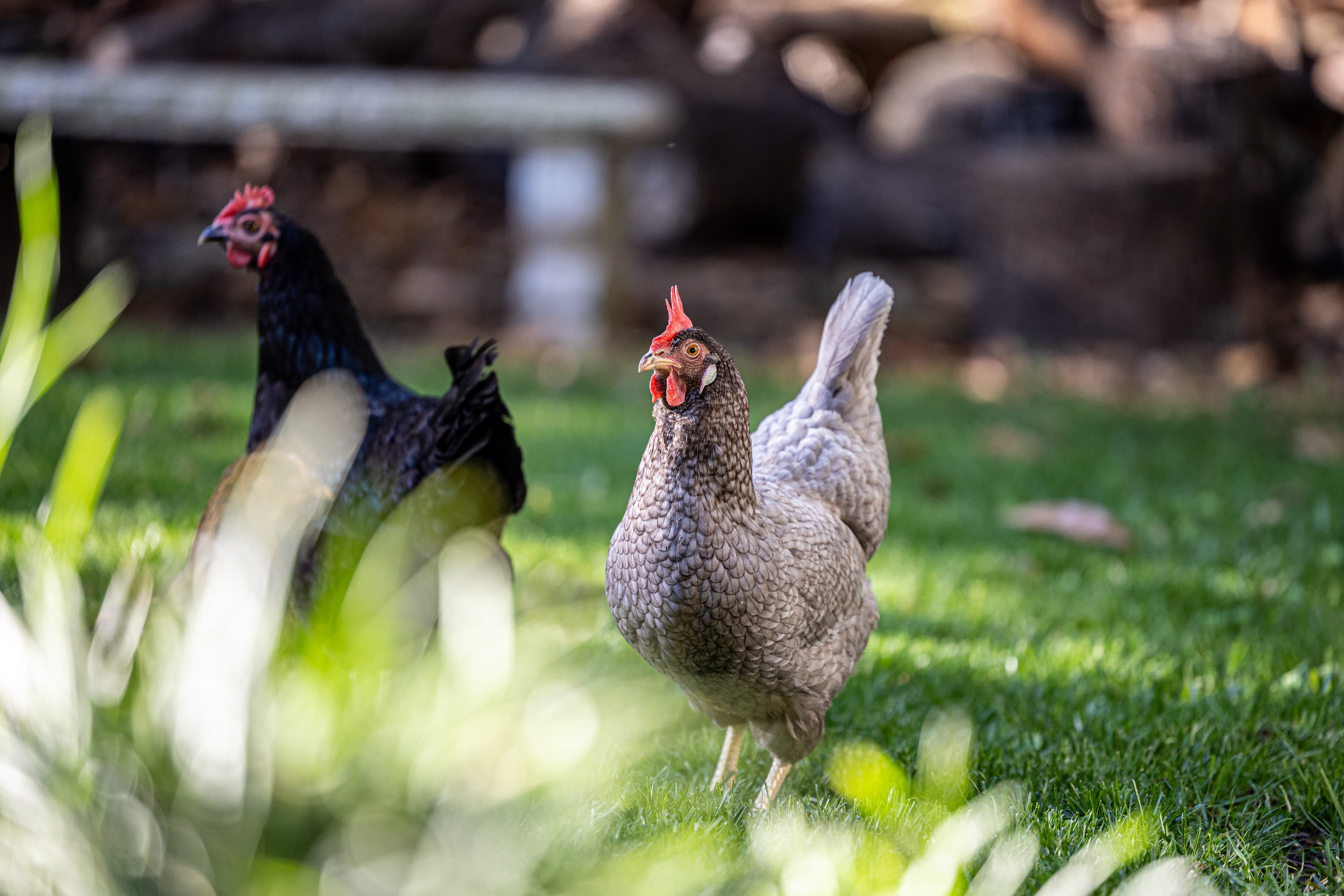
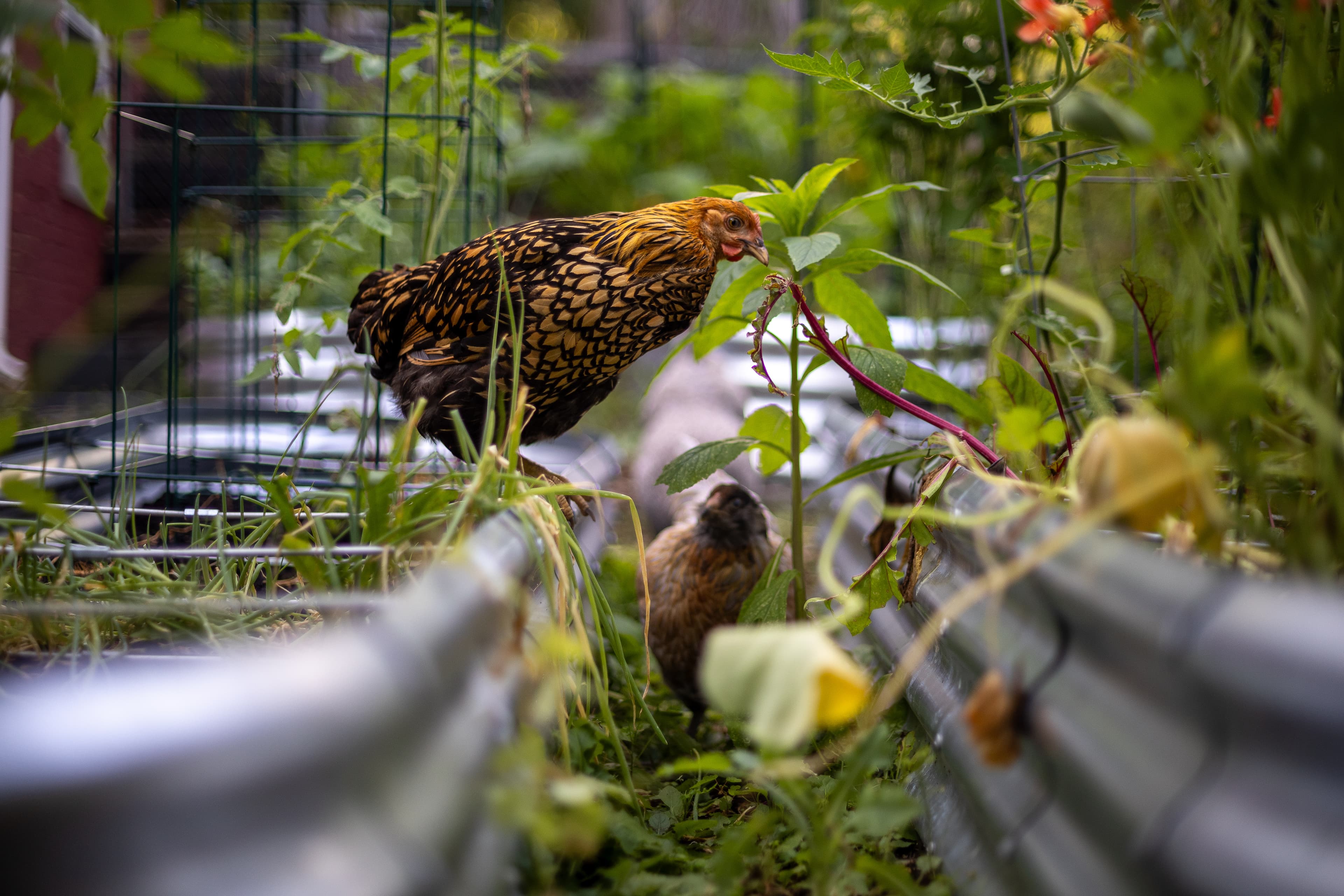
For me, analog time looks like my backyard chickens. I have eight of them, and they require nothing from me creatively. They just need food, water, and someone to let them out in the morning. Watching them scratch around the yard, checking for eggs, dealing with the occasional health scare — it's grounding in a way that resets my brain.
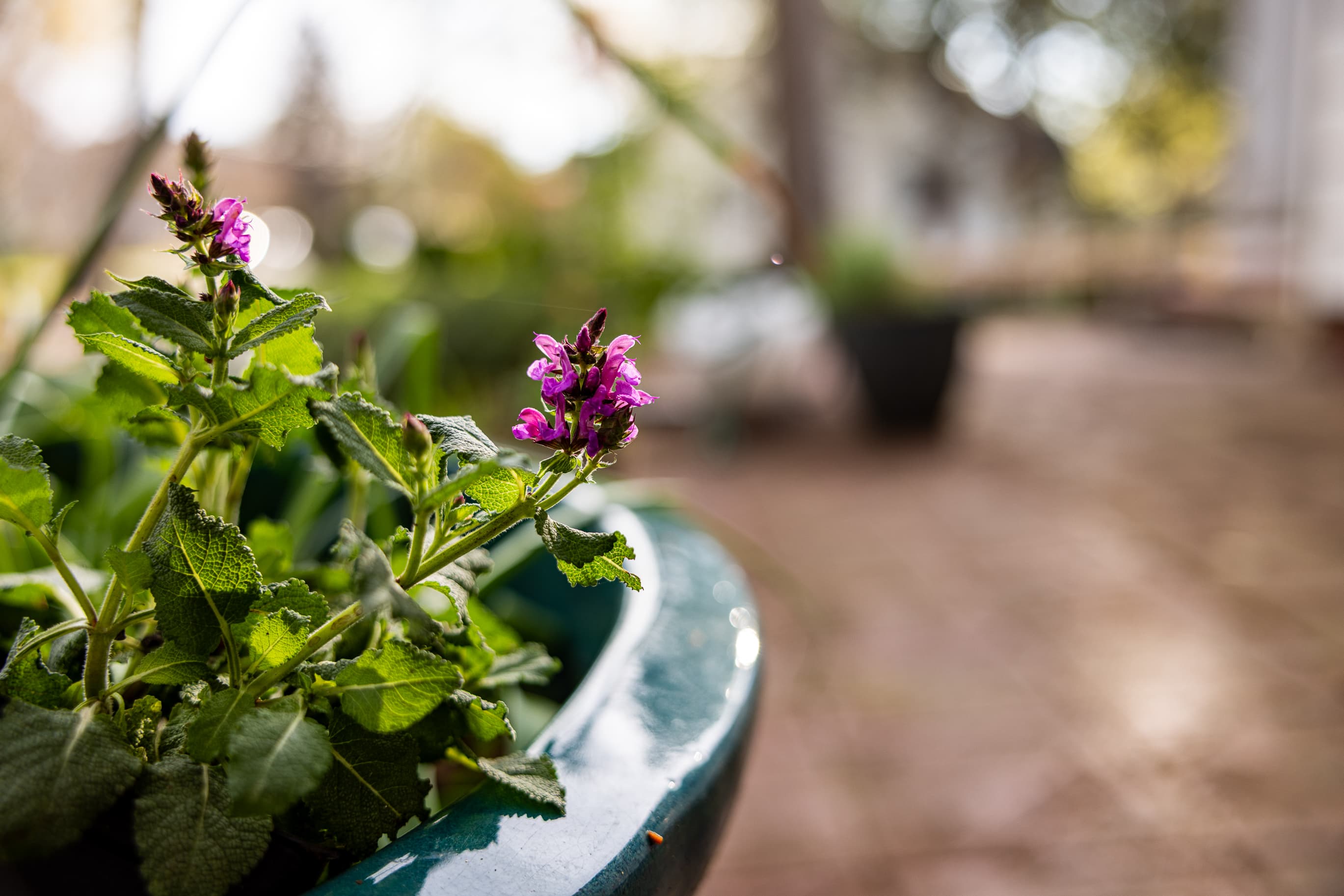
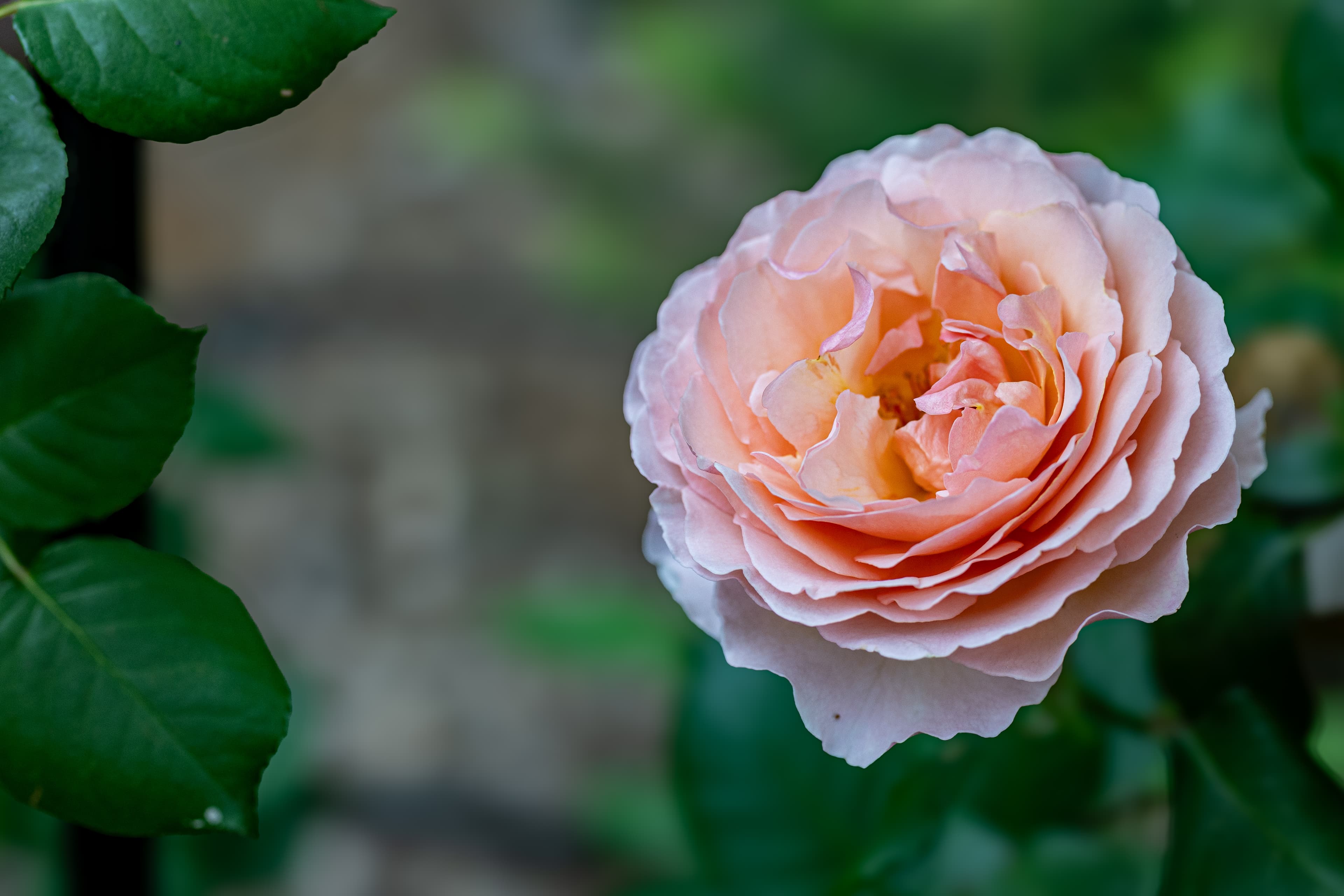
Analog time looks like my garden. I grow roses, including a temperamental Princess de Charlemagne that has taught me more about patience than any business book. There's no strategy in pruning. No brand voice in pulling weeds. Just dirt under my fingernails and something real to show for the effort.
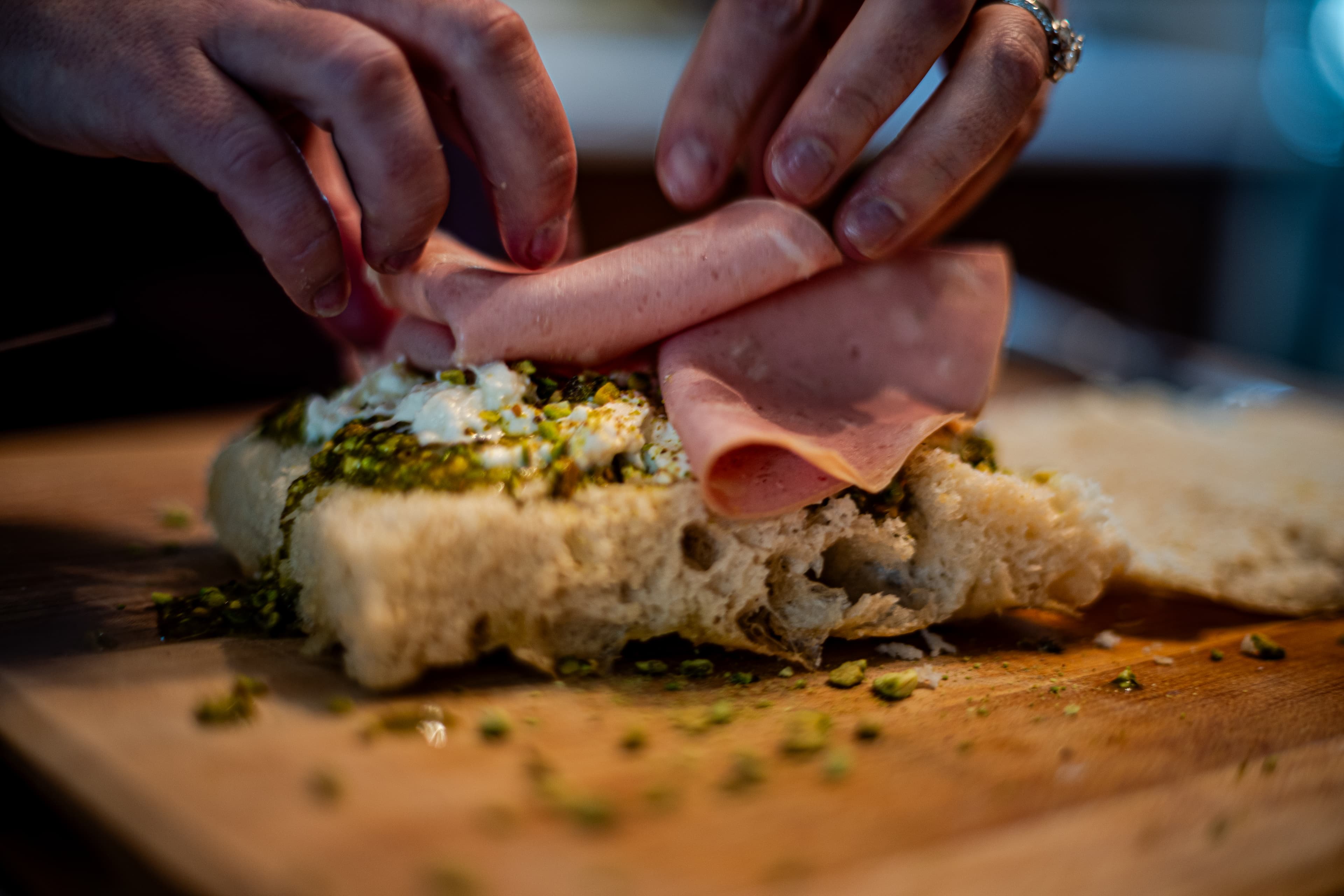
Analog time looks like cooking dinner. Not fancy meals, but the simple act of chopping vegetables and stirring a pot. It's tactile and immediate and completely offline.
Why It Works
Creative work is essentially output. You're pulling ideas from somewhere inside yourself and putting them into the world. Strategy, concepts, campaigns, scripts — it all comes from the same well. And if you never refill the well, it runs dry.
Analog time is input. It's experience and texture and sensation that doesn't ask anything of you. It's letting your brain wander while your hands do something simple. It's boredom, honestly, which turns out to be essential for creativity.
I stopped treating my personal interests as separate from my work. The chickens, the garden, the house projects — they're not distractions from my creative life. They're what makes my creative life possible.
What I Do Differently Now
I protect analog time the same way I protect client deadlines. It goes on the calendar. It's non-negotiable.
When I feel the early signs of depletion — the resistance to starting, the blank-brain feeling, the creeping dread — I know what it means. I'm overdue for analog time. I need to step away from the screen and go do something with my hands.
Some weeks that means spending an entire Saturday in the garden. Some weeks it's just twenty minutes with the chickens before I start work. The quantity matters less than the consistency.
The Creative Process Is a Cycle
I used to think creativity was something you either had or you didn't. Now I understand it's a cycle. Output and input. Depletion and restoration. You can't give endlessly without receiving something back.
Running a creative agency with my husband means we're both in this cycle together. Mark recharges differently than I do, but we've both learned to recognize when the other is running low. Sometimes protecting your partner's analog time is as important as protecting your own.
The Work Is Better Now
Here's the thing nobody tells you about burnout recovery: the work actually gets better when you're not depleted. Ideas come easier. Decisions feel clearer. The creative spark that felt permanently extinguished? It was just buried under exhaustion.
I still have demanding weeks. I still hit deadlines that require long hours and intense focus. But I'm not running on empty anymore. I've built refueling into the system.
So if you're in the creative field and you're feeling that familiar emptiness, try going analog. Step away from the screens. Do something with your hands. Let yourself be bored. Your creativity isn't gone. It just needs to be fed.
Written by
Jayme Anderson
Agency owner, luxury brand strategist, and the voice behind The Manor on Banner.