Meet My Flock
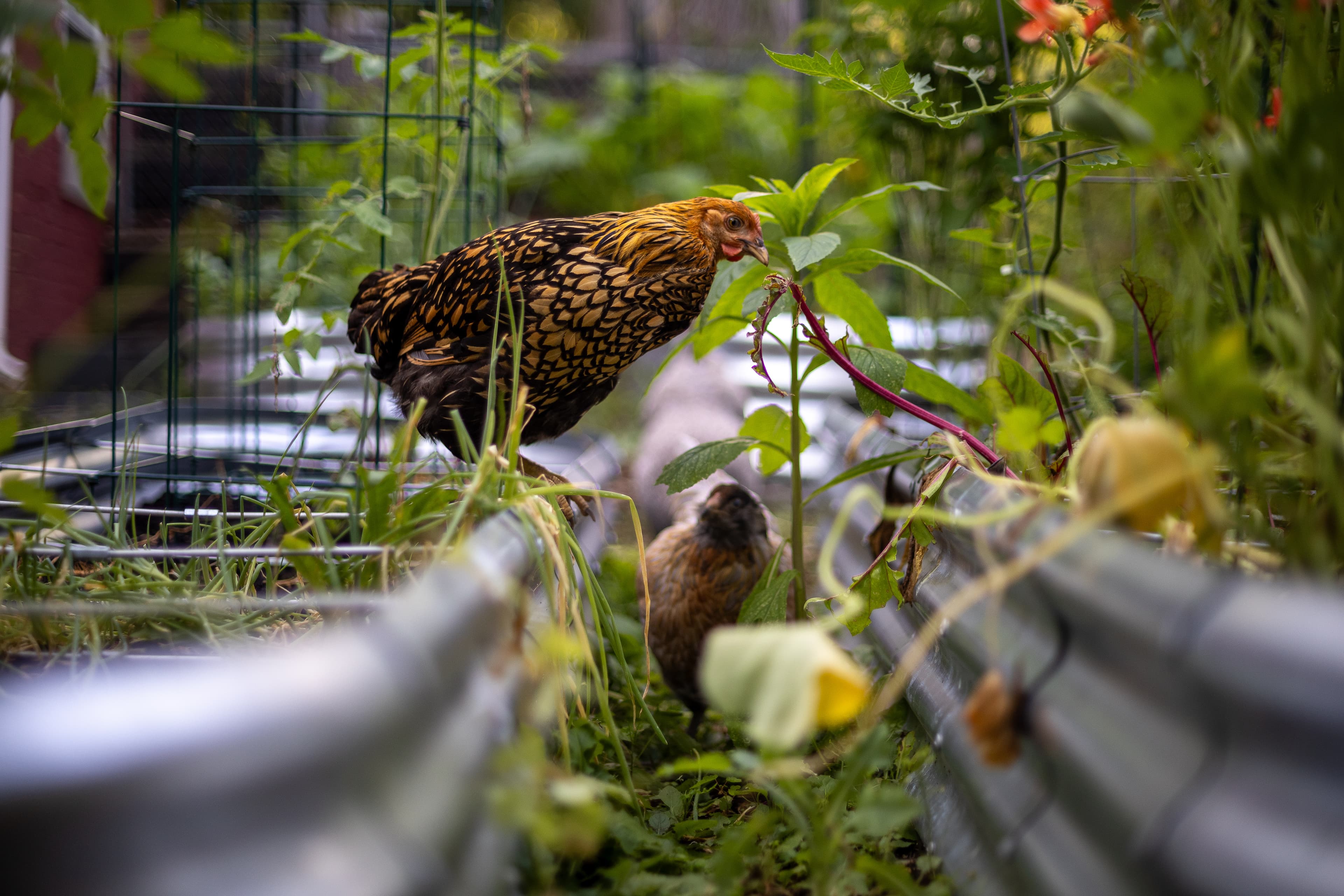
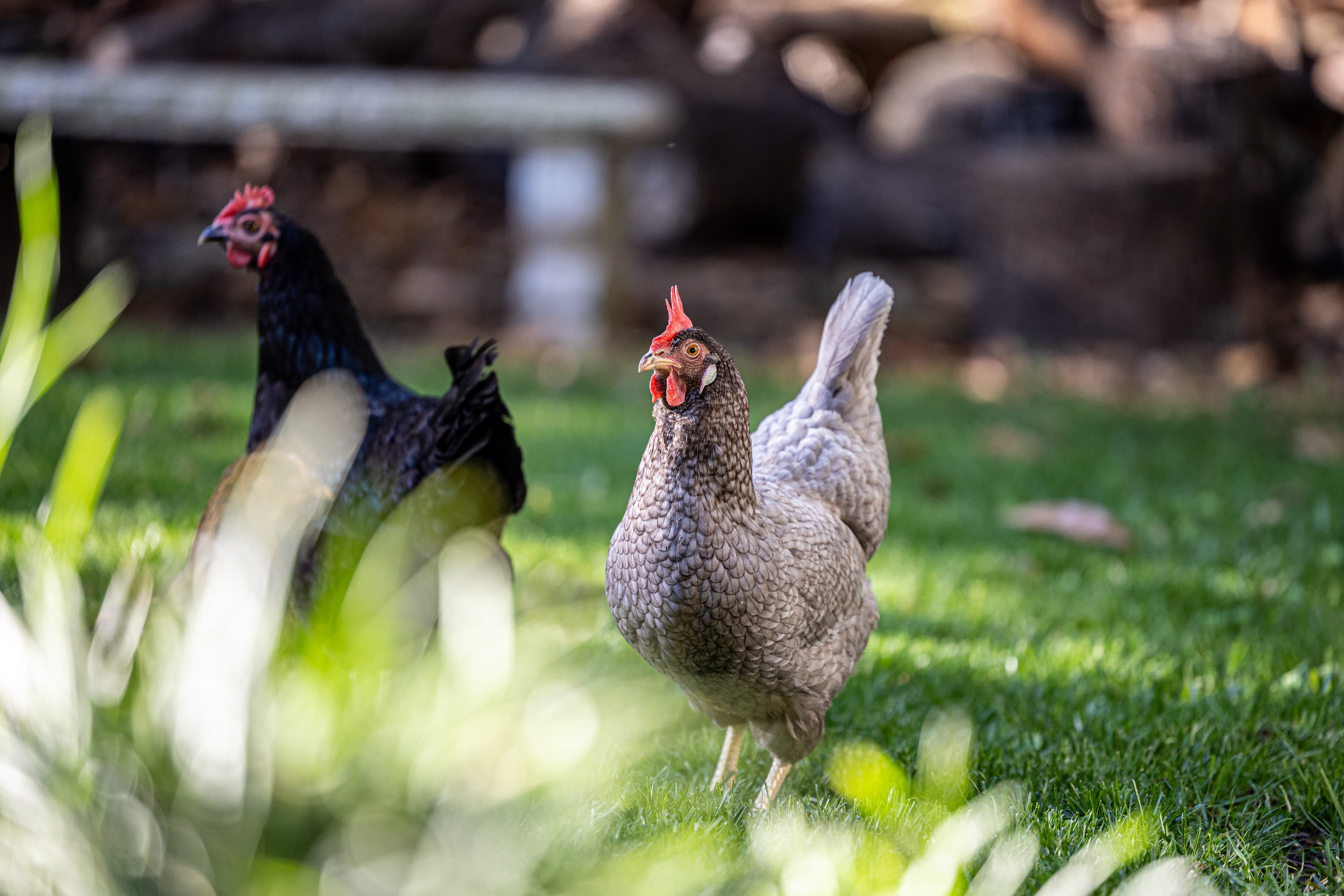
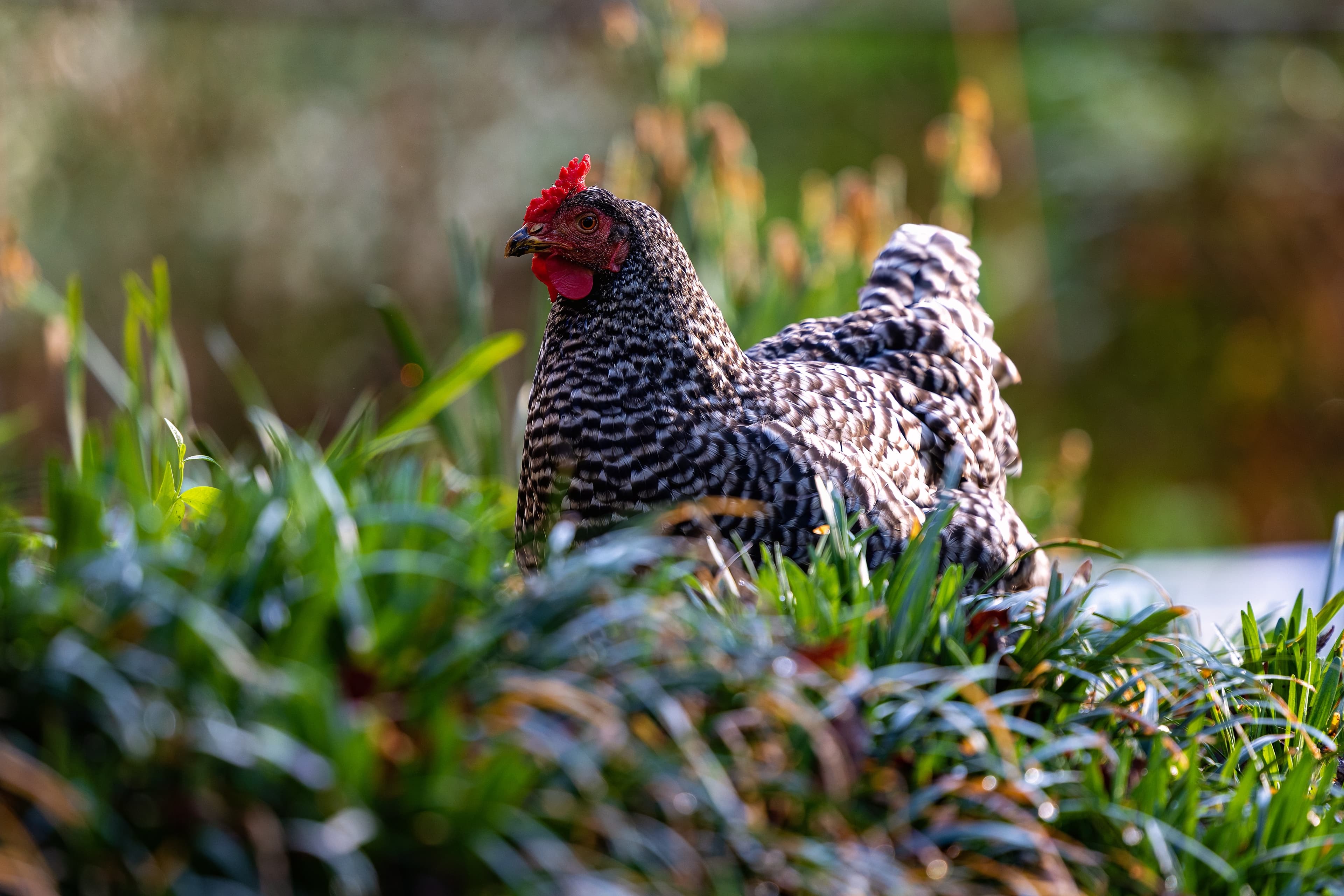
I keep eight hens, chosen for variety in temperament, egg color, and appearance: Pauline (Dominique), Betty (Brahma), Matilda (Lavender Orpington), Clementine (Easter Egger), Hattie (Crested Cream Legbar), and three Australorps — Gwen, Penny, and Beatrice.
Betty, my Brahma, handles our North Carolina winters beautifully with her feathered feet and calm disposition. The Australorps are reliable layers and easy keepers. Clementine gives me those pretty blue-green eggs that make the egg basket interesting. And Matilda? She's just gorgeous — that soft lavender plumage is everything.
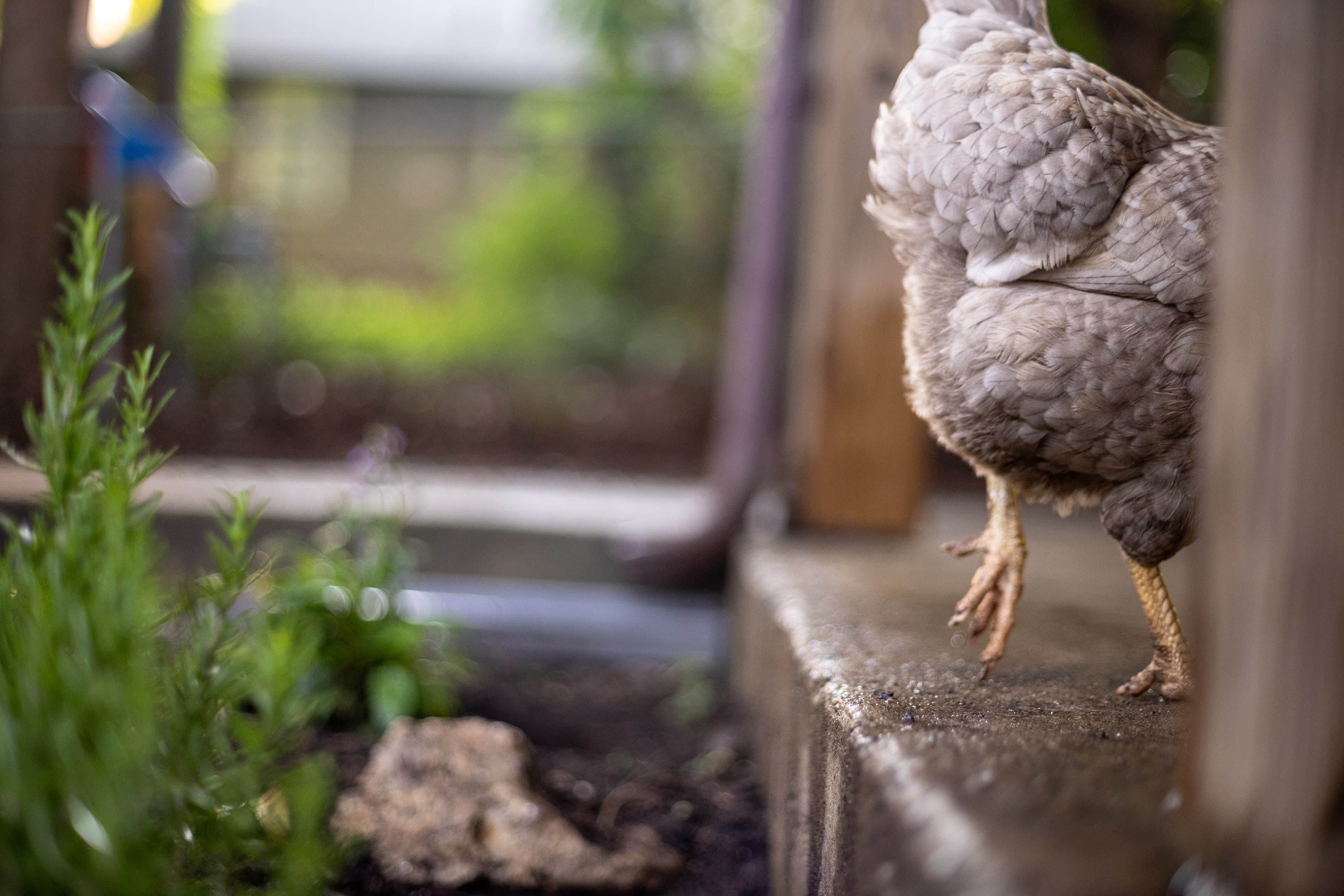
When Marek's Came to My Flock
The first sign was leg paralysis. One of my hens started hobbling, then progressed to the classic "splits" position — one leg forward, one back. I researched frantically, hoping it was a vitamin deficiency (those can look similar and are treatable). But when B-vitamin supplements didn't help and symptoms worsened, I had to face the reality: Marek's disease.
Marek's is a herpesvirus that spreads through feather dander. Once it's in your environment, it's essentially permanent. The virus causes tumors on nerves and organs, leading to paralysis, weight loss, and eventually death. There's no cure.
Watching a chicken decline from Marek's is brutal. The seizures at the end are hard to witness. I've learned that humane culling, as difficult as it is, sometimes becomes the kindest option.
What I Do Now to Keep My Flock Healthy
Living with a Marek's-positive flock means accepting that I can't eliminate the virus — but I can support my birds' immune systems and reduce stress to help them coexist with it.
Chinese skullcap (baicalin) has become part of my routine. It has documented antiviral and immune-modulating properties. I mix 85% baicalin extract into their feed at a preventative dose of 30mg per bird daily. For a sick bird, that increases to 500mg daily. It won't cure Marek's, but it supports immune function.
Protein and nutrition matter more than I realized. I boost protein to 18-20% during laying season and molting with mealworms, black soldier fly larvae, and scrambled eggs. Oyster shell stays out free-choice for calcium. In winter, warm oatmeal helps them stay comfortable.
Stress reduction is critical because stress suppresses immune function and can trigger clinical disease in latently infected birds. I keep their routine consistent, ensure adequate space, and minimize disruptions.
Biosecurity means dedicated shoes for the coop, hand washing before and after handling, and never sharing equipment with other flocks. Any new birds must be vaccinated before they arrive.
The Vaccination Reality
Here's something I wish I'd known: the Marek's vaccine doesn't prevent infection — it prevents tumor formation and clinical disease. Vaccinated birds still carry and shed the virus. Any new chicks need vaccination within the first 24-48 hours of life, before exposure to an existing flock, with 2-3 weeks to develop immunity.
If you're buying chicks from hatcheries, most come vaccinated for Marek's. Ask. It matters.
Other Health Battles
Marek's isn't my only challenge. I've dealt with scaly leg mites (petroleum jelly every few days for 2-3 weeks, or ivermectin pour-on if it's severe), respiratory issues, and the constant question of "is this Marek's or something else?"
The quick diagnostic I use for leg problems: try B-complex vitamins for 3-5 days. If it's a deficiency, you'll see improvement. If symptoms worsen, it's likely something else.
What Chicken Keeping Has Taught Me
Keeping chickens in a Marek's-positive flock isn't for the faint of heart. I've cried over birds I've lost. I've second-guessed every decision. But I've also learned to observe closely, act quickly, and accept that some things are beyond my control.
My eight girls give me more than eggs. They give me a reason to slow down, to pay attention, to be present in my backyard. Even on the hard days, I wouldn't trade it.
If you're new to chickens, know this: the joy is real, but so are the challenges. Educate yourself on Marek's before you need to. Stock your chicken first aid kit. And find a community of other keepers who understand — because sometimes you just need someone who gets why you're crying over a hen.
Written by
Jayme Anderson
Agency owner, luxury brand strategist, and the voice behind The Manor on Banner.